

Fractional Laser Skin Resurfacing That Goes Beyond the Surface
Skin Revival at Paragon Personal Healthcare uses clinical-grade fractional laser technology to resurface skin at the cellular level — reducing fine lines, sun damage, and uneven texture under direct physician supervision, not delegated to a technician.
What Fractional Laser Resurfacing Actually Does
Fractional laser resurfacing works by delivering precise columns of laser energy into the skin, triggering the body's own repair process to generate new collagen and replace damaged tissue. Unlike surface-only treatments, fractional technology targets deeper layers where photoaging and textural changes originate.
We use the Cynosure/Palomar fractional laser — a clinical-grade device chosen for its precision across a range of skin concerns and its established safety profile. The result is measurable improvement in skin quality without the extended downtime of fully ablative procedures.
This treatment is well suited for:
- Fine lines and wrinkles around the eyes, mouth, and forehead
- Sun damage, age spots, and uneven pigmentation
- Rough or uneven skin texture
- Acne scars and post-inflammatory changes
- Early skin laxity and dullness that topicals alone aren't addressing
Physician-Supervised From Consultation Through Recovery
Most med spas delegate laser treatments entirely to estheticians or laser technicians. At Skin Revival, Dr. Plute is involved at every stage — evaluating your skin, determining appropriate energy settings, and overseeing your recovery protocol.
That distinction matters most when a patient's skin is more complex: active rosacea, a history of post-inflammatory hyperpigmentation, or a combination of concerns that require clinical judgment rather than a preset menu. We treat conditions that most aesthetic salons decline, and that experience informs how we approach resurfacing for every patient.
How the Treatment Process Works
Step 1: Consultation and Skin Assessment
Dr. Plute reviews your skin history, current concerns, and treatment goals. This is where we determine whether fractional laser resurfacing is the right approach — or whether a combination protocol with IPL, RF, or prescription skincare would serve you better.
Step 2: Treatment Day Preparation
Your skin is cleansed and a topical numbing agent is applied. Treatment time varies by the area covered, typically 30 to 60 minutes. Most patients describe the sensation as a mild heat with intermittent intensity.
Step 3: The Resurfacing Session
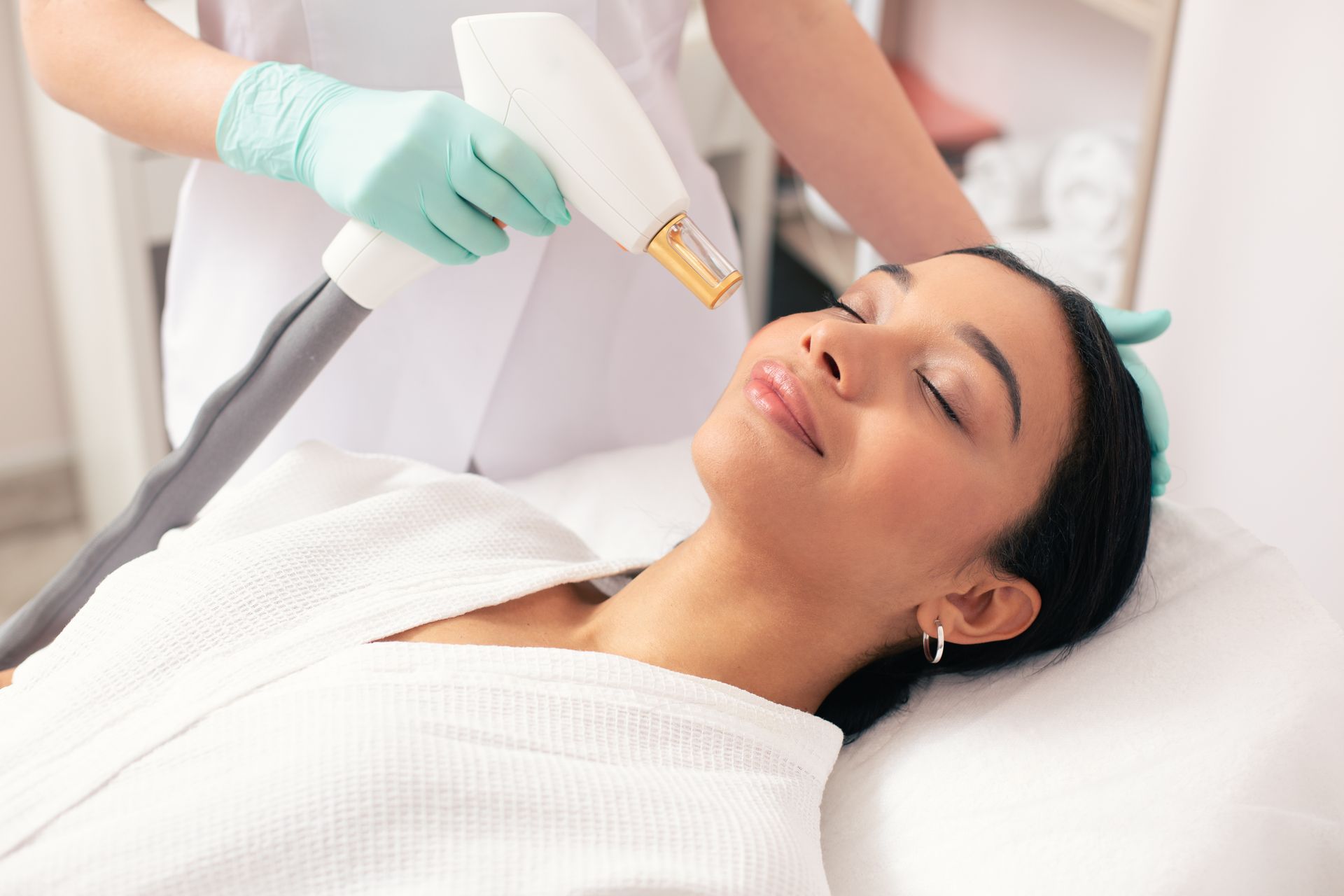
The fractional laser handpiece is passed over the treatment area in a controlled pattern. Energy settings are calibrated to your skin type and the depth of correction needed — not a one-size protocol.
Step 4: Recovery and Aftercare Guidance
Redness and mild swelling are normal for several days following treatment. We provide specific aftercare instructions and, where appropriate, prescription or compounded skincare to support healing. Most patients return to normal activity within five to seven days.
Step 5: Follow-Up and Results
Collagen remodeling continues for weeks to months after treatment. We schedule a follow-up to assess your response and discuss whether additional sessions or maintenance treatments are indicated.
How Fractional Laser Compares to Other Resurfacing Options
Not every skin concern calls for the same approach. Here is how fractional laser resurfacing fits within the broader range of treatments we offer.
- Fractional Laser Resurfacing: Best for fine lines, sun damage, acne scars, texture. Downtime: 5–7 days
- IPL Photofacial: Best for pigmentation, redness, early photoaging. Downtime: Minimal
- Opus RF Plasma: Best for skin tightening, laxity, surface texture. Downtime: 3–5 days
- RF Skin Tightening: Best for mild laxity, contouring. Downtime: None
During your consultation, we will help you identify which treatment — or which combination — is most appropriate for your skin and your timeline.
Frequently Asked Questions About Laser Skin Resurfacing
The fractional laser handpiece is passed over the treatment area in a controlled pattern. Energy settings are calibrated to your skin type and the depth of correction needed — not a one-size protocol.
Serving the South Hills and Washington County
Skin Revival is located in Canonsburg, PA, within the Southpointe corridor, and serves patients throughout Peters Township, McMurray, Washington, and the surrounding South Hills communities. We are a small, two-person practice — which means you will work directly with Dr. Plute and our clinical staff from your first visit through your final follow-up.
If you are considering laser skin resurfacing and want an honest assessment of what treatment can realistically accomplish for your skin, we would be glad to meet with you.
Next Steps
Ready to Learn More?
Schedule a consultation with Dr. Plute to discuss your skin concerns and determine whether fractional laser resurfacing is the right treatment for you.
Questions About the Procedure?
Review our frequently asked questions section above, or contact us directly with any concerns about recovery, results, or suitability for your skin type.
Combination Treatments Available
Fractional laser resurfacing can be combined with IPL, RF skin tightening, or prescription skincare protocols for enhanced results tailored to your specific concerns.
Physician-Supervised Care
Unlike chain med spas, every aspect of your treatment — from consultation through recovery — is overseen by Dr. Plute, ensuring personalized care and clinical expertise.
FAQ
Common Questions
How many laser resurfacing sessions will I need?
Most patients see meaningful improvement after a single session, though two to three treatments spaced six to eight weeks apart are often recommended for more significant concerns like deep sun damage or acne scarring. Dr. Plute will outline a realistic treatment plan based on your specific skin at your consultation.Is fractional laser resurfacing safe for my skin tone?
Fractional laser technology can be used across a range of skin tones, but parameters must be carefully calibrated to minimize the risk of post-inflammatory hyperpigmentation in medium to deeper skin tones. This is one of the reasons physician oversight matters — appropriate settings require clinical judgment, not a preset protocol. We assess each patient individually before proceeding.What is the recovery like after fractional laser treatment?
Expect redness, warmth, and mild swelling for the first two to three days, followed by a peeling phase as the treated skin sheds. Most patients are comfortable returning to work and normal activities within five to seven days, though sun protection is essential during the healing period and beyond.Can laser resurfacing be combined with other treatments?
Yes, and combination protocols are often more effective than a single modality. Fractional laser is frequently paired with IPL for pigmentation, RF skin tightening for laxity, or prescription skincare to extend and maintain results. We will discuss what makes sense for your skin during your consultation.How is laser resurfacing at Skin Revival different from a chain med spa?
The primary difference is physician involvement. Dr. Plute evaluates every patient, sets treatment parameters, and supervises the procedure — rather than delegating entirely to a technician following a standardized protocol. We also have the clinical background to treat patients with more complex skin histories, including those with rosacea or a history of skin sensitivity, where a more cautious or modified approach is warranted.Does laser skin resurfacing hurt?
A topical numbing agent is applied before treatment, which significantly reduces discomfort. Most patients describe the sensation during the procedure as warmth with brief, intermittent intensity. Post-treatment, the skin feels similar to a mild sunburn for the first day or two.
Schedule Your Consultation Today
Contact Skin Revival in Canonsburg, PA to book your fractional laser skin resurfacing consultation with Dr. Plute. We serve patients throughout the South Hills and Washington County area.